
Look beyond the route name
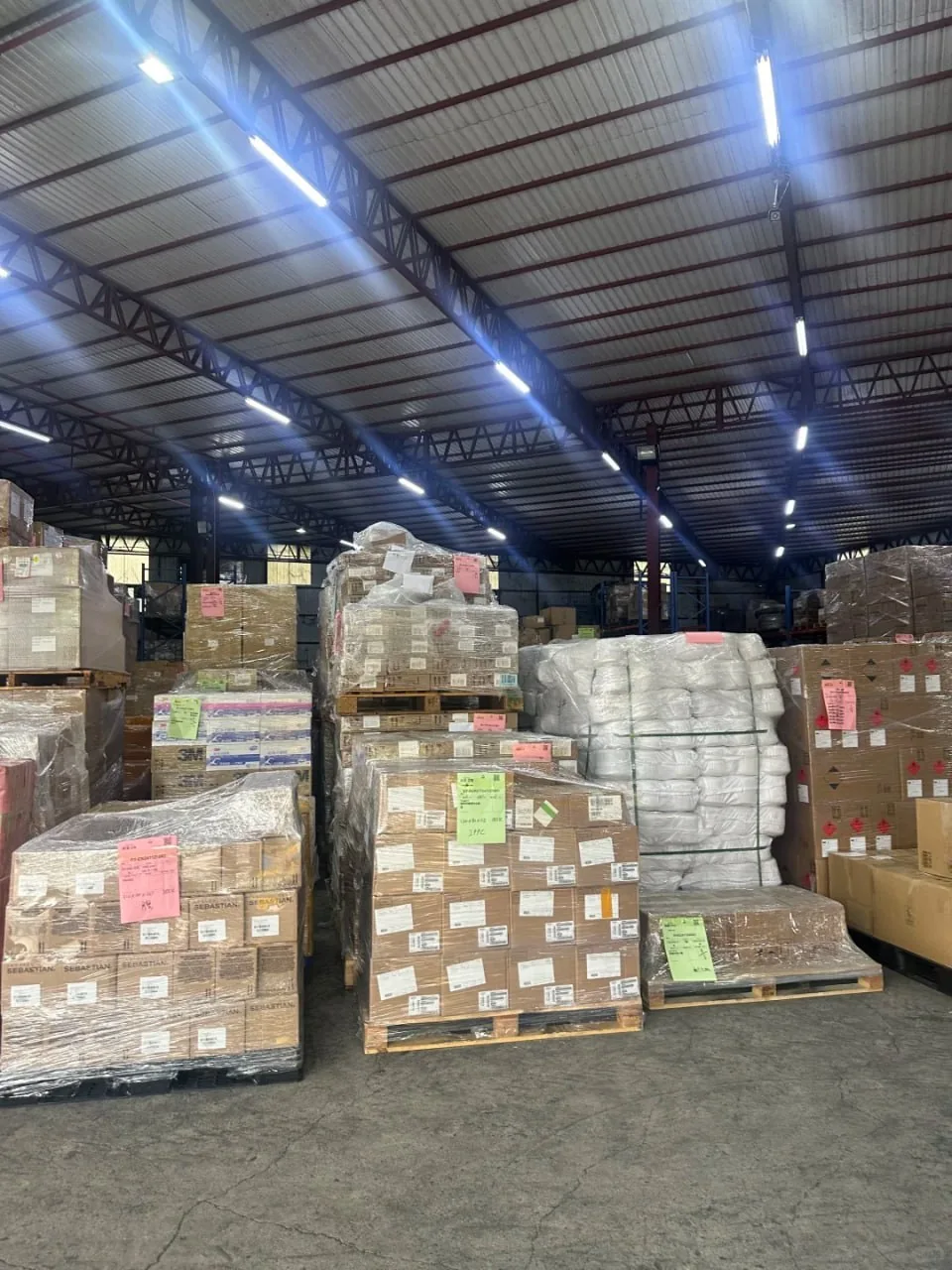
A route review should identify the proposed carrier or logistics arrangement, the goods it is intended to carry and the points where responsibility passes between parties. Express and dedicated logistics routes can involve different tracking references and receiving processes. A route name alone is not enough to establish suitability for a specific material or handling requirement.
Understand the handover sequence
Ask which information will be available after handover and who should be contacted if a shipment is delayed or requires clarification. Any timing estimate should distinguish preparation from carrier transit and destination processing. An estimate is not a guarantee. If the route changes, reconfirm the packaging and document requirements affected by that change. Record the final arrangement with the order rather than relying on a general shipping statement copied from a previous product page.
Ask about the handover chain
A proposed route may involve a pickup service, forwarding partner, line-haul movement and destination carrier. Ask which parties and references will be visible to the buyer and who coordinates questions between them. The level of detail available may vary, but the recipient should know the support contact and the identifiers needed to locate the shipment. If the route changes before handover, confirm whether the documentation, packaging or receiving instructions need review. A familiar route label should not conceal a materially different arrangement.
Separate timing components
A useful estimate distinguishes preparation, carrier movement and destination processing. Preparation can depend on product and document readiness; transit can depend on the route and service conditions; destination processing may require information from the recipient or importer. Ask which assumptions support the estimate. Do not combine several uncertain stages into an unconditional delivery promise. If a project date is critical, explain the available flexibility and the consequence of delay so the parties can discuss the suitability of the proposed arrangement honestly.
Decide how route questions will be escalated
Identify who should receive a request for additional information and how the buyer will be notified of a material change. Keep the escalation route with the shipment record. A recipient should not need to search through old sales messages to find the correct contact when a carrier asks a question about the parcel. A proposed route should also identify the carrier handover point and the party responsible for resolving a routing change.